2026 FIFA World Cup Team Squads: 5 Tactics to Watch
Are you fully prepared for the most massive and grueling football tournament in human history? The upcoming global event hosted by the United States, Canada, and Mexico is not just another competition; it is a monumental shift from 32 to 48 participating teams. If you fail to grasp the incoming tactical revolutions and schedule changes, you will be left behind in your sports analysis and entertainment experience. This historic expansion directly increases the total number of matches to an astounding 104 games played over 39 days.
This prolonged and dense schedule will place unprecedented demands on tactical preparation, medical support systems, and the overall physical endurance of the 2026 FIFA World Cup Team Squads. In this comprehensive guide, we will analyze the vital paradigm shifts, evaluate the host nations, and break down the strategic nuances of global powerhouses. We will also explore the massive surge in dynamic sports betting markets. For enthusiasts in the Philippines relying on platforms like Falconplay, understanding these squad depths and macro-tactics is your ultimate key to unlocking the beautiful game.
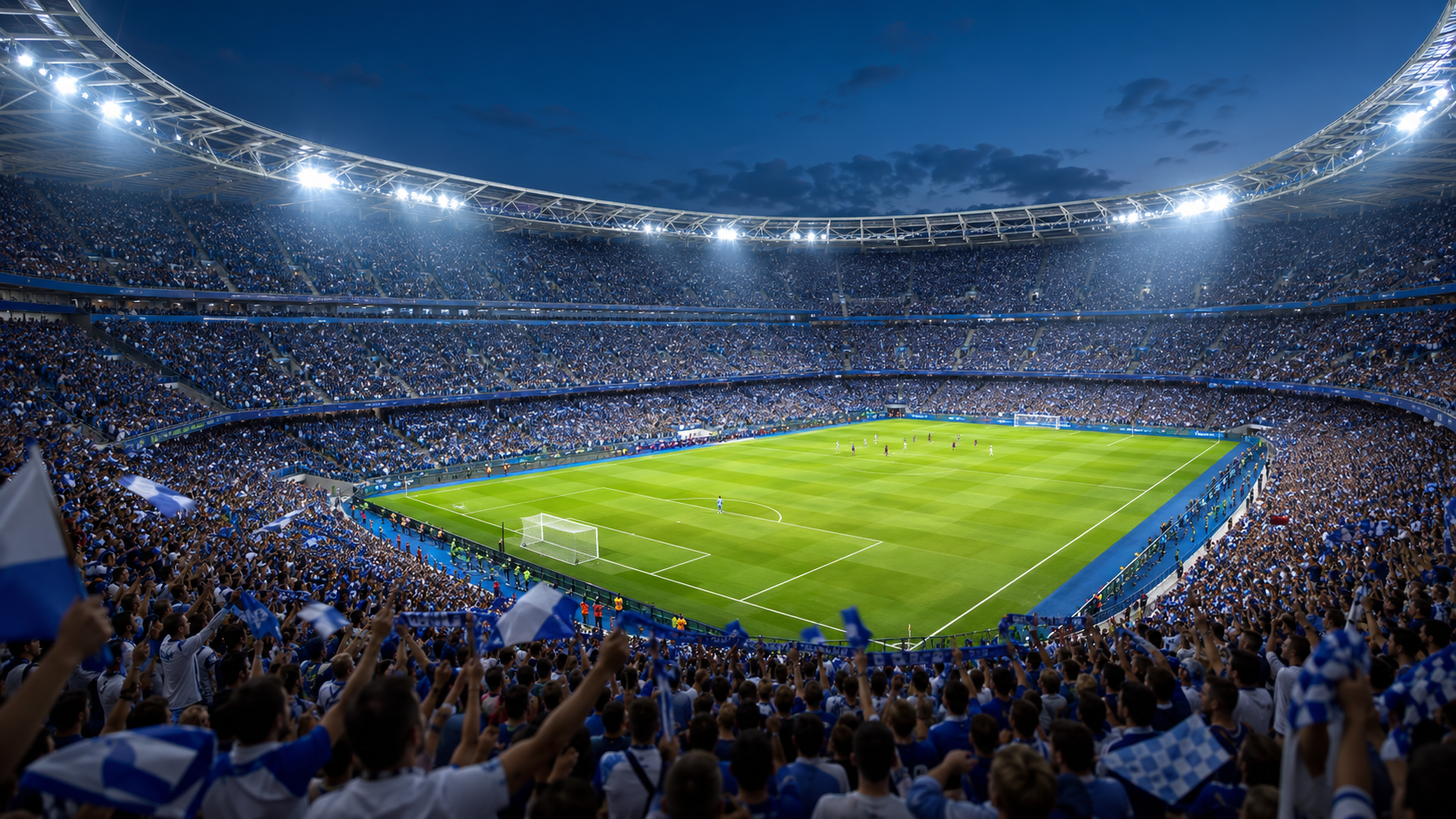
Decoding the 2026 FIFA World Cup Team Squads and Format
The expansion of the tournament completely rewrites the mathematical formulas for advancing through the stages. With the total team count raised to 48, the participating nations are divided into 12 groups containing four teams each.
The Introduction of the Round of 32
Under the new progression mechanics, the top two teams from each of the 12 groups will advance. Additionally, the eight teams with the best third-place records will also secure tickets to the knockout stage. This format creates a massive 32-team knockout bracket, meaning a shocking 66.7% of teams will survive the group stage. Consequently, mid-tier teams have a huge strategic incentive to play highly defensive, counter-attacking football to secure crucial draws and aim for that best third-place spot.
The Demise of the Starting XI
Historically, a championship team could rely heavily on a core “Starting XI” and maybe two or three substitutes. In 2026, relying on just 14 players will result in a medical disaster. Teams must navigate extreme climate differences across three massive countries, from the high altitude of Mexico City to the oppressive humidity of Miami. The concept of “Vertical Depth”—the absolute quality of a team’s backup wingers or third-choice midfielders—will replace superstars as the primary metric for success. Utilizing premium sports analytics is essential to track these complex squad rotations.
Tactical Windows: The Hydration Break Rule
FIFA has introduced a mandatory 3-minute hydration break at the 22nd minute of each half. This rule essentially splits the traditional halves, turning the match into four quarters. For elite managers, this provides a golden tactical window to adjust formations and deliver direct instructions, heavily favoring highly organized 2026 FIFA World Cup Team Squads.

Host Nations: Pressures and Tactical Overhauls
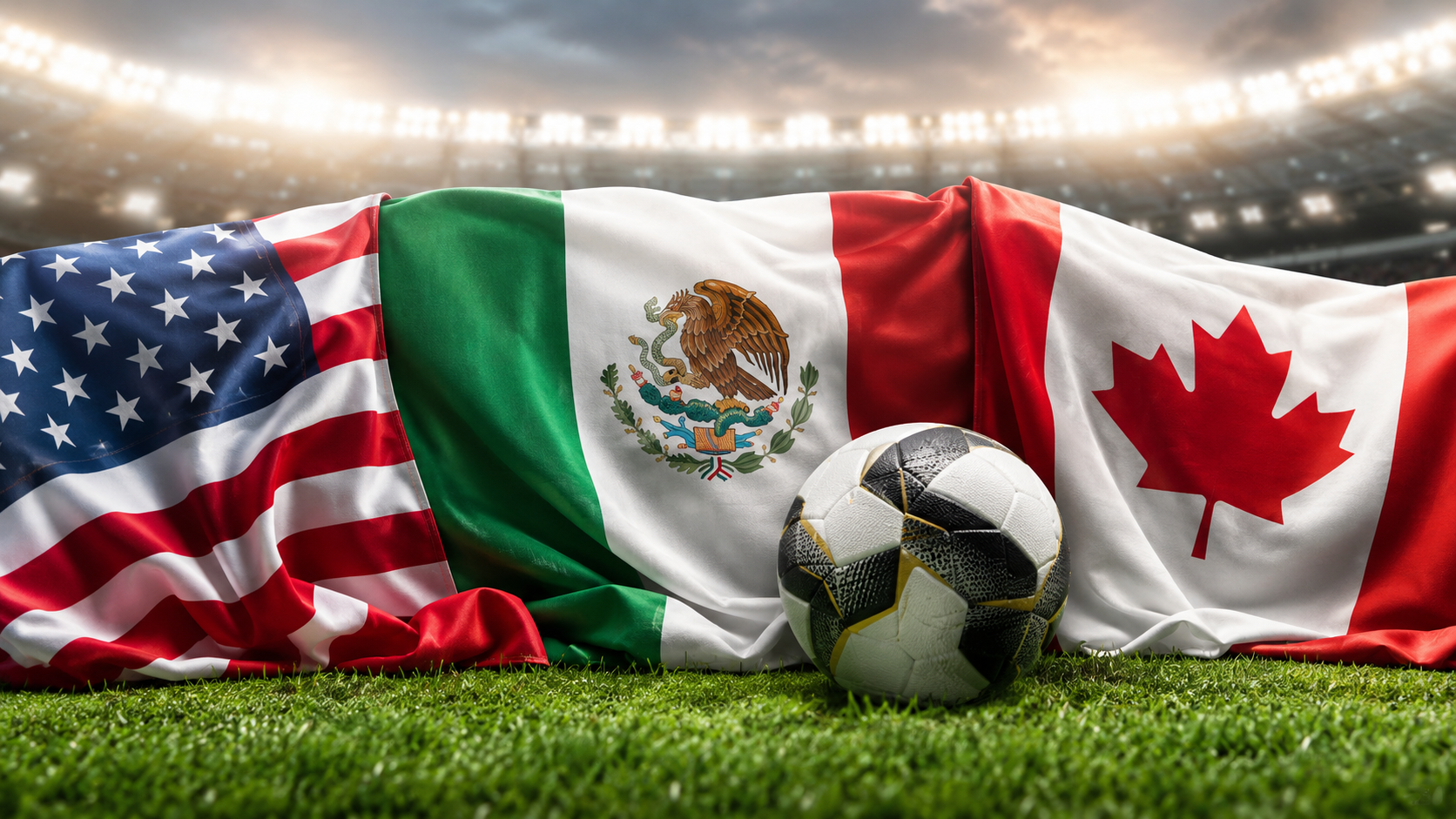
The United States, Mexico, and Canada automatically qualified as host nations. Playing on home soil provides incredible advantages but also brings crushing expectations from their domestic fans.
USA: The Pochettino Project
The USMNT carries the burden of proving they are an emerging elite force. Newly appointed manager Mauricio Pochettino is tasked with harnessing the potential of their golden generation, led by AC Milan’s Christian Pulisic. However, defensive injuries, notably to Miles Robinson, present significant hurdles. The absolute minimum expectation for the USA is to break past the Round of 16 and replicate their historic 2002 quarter-final appearance.
Mexico and Canada: Seeking Redemption
Mexico will host the tournament for a record third time, playing the opening match against South Africa at the legendary Estadio Azteca. Manager Javier Aguirre must rebuild the team’s morale after a disastrous group-stage exit in 2022, relying on swift counter-attacks and passionate home support. Conversely, Canada has never won a World Cup match in their history. American manager Jesse Marsch has implemented a high-intensity pressing system tailored to the explosive speed of Alphonso Davies, aiming to secure Canada’s first historic victory.
UEFA and CONMEBOL: The Traditional Powerhouses
The strategic meta of football is still largely dictated by the immense depth and rigorous tactical systems originating from Europe and South America. These regions boast the most complete and terrifying rosters.
England and France: The Peak of European Depth
Under German manager Thomas Tuchel, England easily dominated their qualifiers without conceding a single goal. Tuchel has installed a rigid “Box Midfield” structure, enforcing a strict 5-second counter-pressing rule that prioritizes system over individual brilliance. France, managed by Didier Deschamps, possesses unmatched squad depth and lethal transition speed. With stars like Kylian Mbappe and a defensive core featuring William Saliba, their attacking prowess is frightening, though minor injury concerns regarding Mbappe remain a variable.
Argentina and Brazil: Contrasting South American Fortunes
Defending champions Argentina continue to exhibit structural perfection under Lionel Scaloni. The midfield trio of Rodrigo De Paul, Alexis Mac Allister, and Enzo Fernandez provides total control, allowing Lionel Messi to efficiently manage his stamina. Scaloni has also integrated young talents like Nico Paz to add creative unpredictability. In stark contrast, Brazil is enduring a 24-year title drought. Manager Carlo Ancelotti faces massive challenges, including the lack of a world-class number nine striker and devastating injuries to key players like Rodrygo and Eder Militao.
Germany, Spain, and the Netherlands
Julian Nagelsmann is attempting to revive Germany, relying on creative attackers like Jamal Musiala, though they severely lack a pure center-forward. Spain has evolved their traditional Tiki-Taka into a more direct, vertical passing system under Luis de la Fuente, heavily dependent on the fitness of young star Lamine Yamal. The Netherlands, led by Ronald Koeman, features a dominant defense but suffers creatively due to Xavi Simons’ severe ACL injury. Tracking these major roster updates on a reliable sports platform is crucial.

The Rise of Asian and African Tactical Disciplines
The expansion to 48 teams has provided emerging nations with the platform to showcase their tactical evolution. Teams from the AFC and CAF confederations are no longer just participants; they are genuine threats to the established hierarchy.
Japan and South Korea: Asian Powerhouses
Japan has completely transformed into a tactical exporter. Manager Hajime Moriyasu has established a highly aggressive high-pressing system executed by a squad composed almost entirely of players from top European leagues. South Korea, led by Son Heung-min and defensive anchor Kim Min-jae, possesses the physical strength and counter-attacking speed necessary to challenge elite European teams.
Morocco and Senegal: African Ambitions
After their miraculous run to the semi-finals in 2022, Morocco carries the heavy expectations of the entire African continent. Featuring stars like Achraf Hakimi and Brahim Diaz, they aim to prove their success was not a fluke. Senegal also brings a potent squad anchored by Sadio Mane and Kalidou Koulibaly, although the aging core of their roster poses endurance risks in this extended tournament format. We must also watch emerging dark horses like Cape Verde, a tiny nation of 600,000 people that successfully qualified by utilizing their vast diaspora talent network.

Market Dynamics and Explosive Betting Trends
With a projected global audience exceeding 6 billion people, the tournament is triggering a massive paradigm shift in viewer engagement and digital entertainment.
The Dominance of Micro-Markets and In-Play Betting
Industry analytics indicate that over 60% of all wagers will be placed dynamically as in-play betting. The frequent stoppages caused by the new mandatory hydration breaks and VAR reviews create the perfect fragmented rhythm for high-frequency micro-markets. Bettors are moving away from traditional match outcomes and focusing heavily on player performance propositions, such as predicting whether Erling Haaland or Kylian Mbappe will score or receive a card.
The Mobile Gaming Shift
Approximately 58% of all betting activities will be conducted via smartphones, attracting an estimated 20% of first-time bettors globally. Concurrently, the virtual football landscape is changing drastically. Since EA Sports has ended its partnership with FIFA, the upcoming EA Sports FC 26 will not feature an official World Cup mode. FIFA is countering this by launching mobile-first titles like FIFA Rivals to capture younger audiences.

Master the 2026 World Cup Meta Today
The 2026 FIFA World Cup represents the most significant evolutionary leap in modern football history. The brutal 104-match format demands absolute perfection from national ecosystems, requiring advanced data analysts, elite medical teams, and flawlessly rotated 2026 FIFA World Cup Team Squads. For fans and analysts in the Philippines, mastering these profound tactical shifts and squad dynamics is the definitive strategy to truly experience the excitement of the games.
Experience Premium Sports Action Now!